


In today’s digital-first economy, businesses are under constant pressure to scale faster, operate more efficiently, and stay competitive. Traditional on-premise IT infrastructure often struggles to keep up with modern demands for agility, security, and performance. That’s where cloud-based infrastructure solutions come in.
From startups to large enterprises, organizations are rapidly adopting enterprise cloud services to modernize operations, reduce costs, and enable innovation. Cloud infrastructure is no longer just an IT upgrade—it’s a strategic business enabler.
In this guide, we’ll explore what cloud-based infrastructure solutions are, how they work, their key benefits, and why they are essential for powering modern enterprises.
What Are Cloud-Based Infrastructure Solutions?
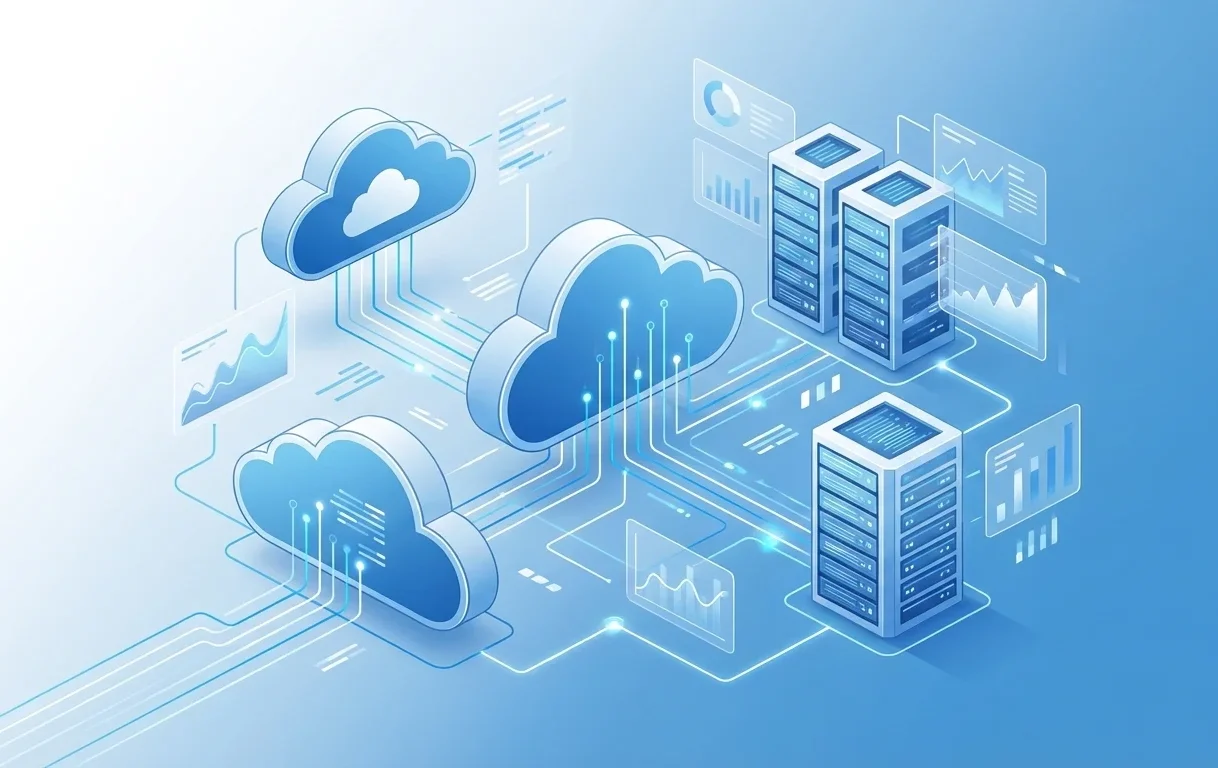
Cloud-based infrastructure solutions refer to IT resources—such as servers, storage, networking, and databases—that are delivered over the internet instead of being hosted on physical, on-premise hardware.
Rather than purchasing and maintaining expensive equipment, businesses access infrastructure on-demand from cloud service providers. This model is commonly known as Infrastructure as a Service (IaaS) and is a core component of enterprise cloud services.
Key Components of Cloud Infrastructure
- Virtual Servers (Compute) – Scalable virtual machines for applications and workloads
- Cloud Storage – Secure, flexible storage for files, databases, and backups
- Networking – Virtual networks, load balancers, and firewalls
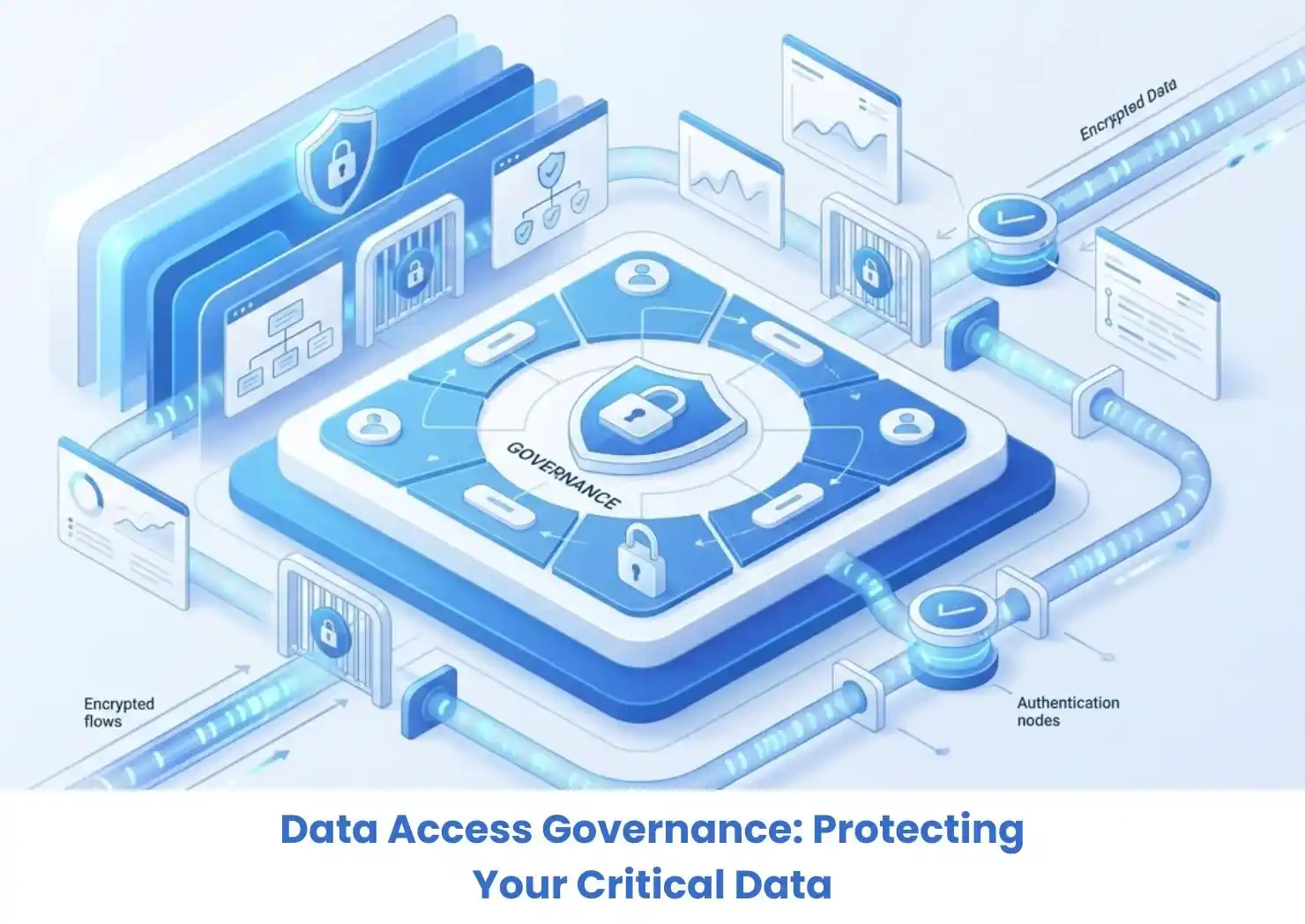
- Security & Identity – Access controls, encryption, and identity management
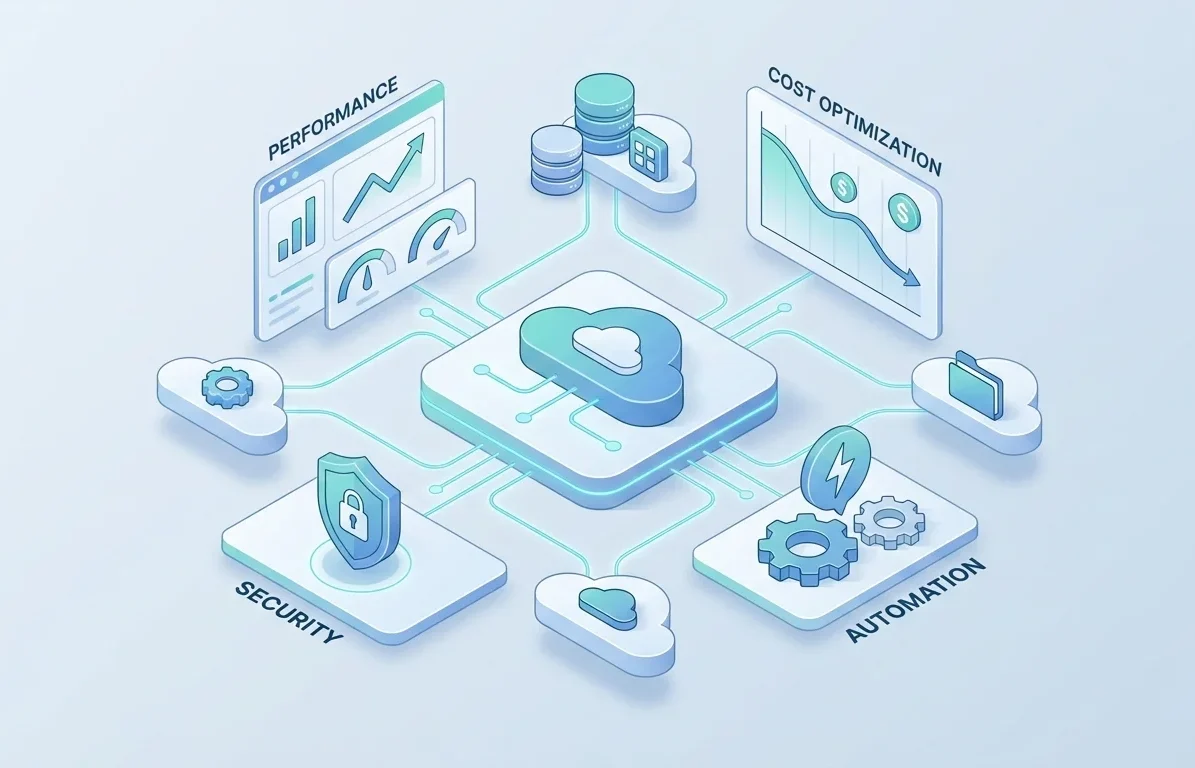
- Monitoring & Management Tools – Performance tracking and resource optimization
Together, these components create a flexible, scalable environment that supports modern business operations.
Key Benefits of Cloud Infrastructure Solutions for Enterprises
Adopting cloud infrastructure provides significant advantages over traditional IT environments. Here’s how cloud infrastructure solutions help enterprises grow and compete:
1. Scalability on Demand
Cloud platforms allow businesses to scale resources up or down instantly based on demand.
Benefits include:
- Handle traffic spikes without downtime
- Add or remove servers in minutes
- Support business growth without major capital investment
This elasticity is critical for enterprises with seasonal workloads or rapid expansion plans.
2. Cost Efficiency and Predictable Spending
With cloud-based infrastructure, you only pay for what you use.
This means:
- No large upfront hardware costs
- Reduced maintenance and IT overhead
- Predictable monthly operational expenses (OpEx)
Enterprises can reallocate budgets from infrastructure maintenance to innovation and growth.
3. Enhanced Security and Compliance
Leading cloud providers invest heavily in enterprise-grade security.
Cloud infrastructure includes:
- Data encryption at rest and in transit
- Identity and access management (IAM)
- DDoS protection and firewall systems
- Compliance with standards like ISO, SOC, HIPAA, and GDPR
This makes enterprise cloud services highly secure when implemented correctly.
4. High Availability and Business Continuity
Cloud platforms are built for resilience.
Key advantages:
- Redundant data centers
- Automated backups
- Disaster recovery solutions
- Minimal downtime
This ensures critical systems remain available, even during outages or failures.
5. Faster Innovation and Time to Market
Cloud infrastructure enables rapid deployment of new applications and services.
Enterprises can:
- Launch environments in minutes
- Test and deploy faster
- Support DevOps and CI/CD pipelines
- Accelerate digital transformation initiatives
This agility gives businesses a competitive edge.
How Cloud-Based Infrastructure Works
Understanding how cloud infrastructure is implemented helps enterprises plan a successful migration.
Step 1: Infrastructure Assessment
Businesses evaluate:
- Current workloads and applications
- Performance requirements
- Security and compliance needs
- Cost structure of existing systems
This helps determine which workloads are best suited for the cloud.
Step 2: Cloud Architecture Design
A customized cloud architecture is designed, including:
- Virtual networks and subnets
- Compute and storage configurations
- Security policies and access controls
- Backup and disaster recovery plans
This ensures performance, security, and scalability from day one.
Step 3: Migration and Deployment
Workloads are migrated using:
- Lift-and-shift migrations
- Application refactoring
- Hybrid cloud models (on-prem + cloud)
The goal is minimal downtime and smooth transition.
Step 4: Optimization and Management
After deployment, enterprises:
- Monitor usage and performance
- Optimize costs and resources
- Apply security updates
- Scale infrastructure as needed
Ongoing optimization maximizes ROI and efficiency.
Common Use Cases for Enterprise Cloud Infrastructure
Cloud-based infrastructure solutions support a wide range of enterprise use cases.
1. Enterprise Application Hosting
Run ERP, CRM, and business-critical applications in the cloud for:
- Better performance
- Global accessibility
- Reduced infrastructure burden
2. Data Storage, Backup, and Disaster Recovery
Cloud storage provides:
- Secure offsite backups
- Rapid disaster recovery
- Long-term data archiving
This protects business continuity and reduces data loss risks.
3. Development and Testing Environments
Cloud environments are ideal for Dev/Test:
- Spin up test environments instantly
- Reduce testing costs
- Improve software development cycles
4. Big Data and Analytics
Cloud infrastructure supports:
- Large-scale data processing
- Real-time analytics
- AI and machine learning workloads
Enterprises can gain actionable insights without investing in massive on-premise systems.
5. Remote and Hybrid Work Enablement
Cloud infrastructure enables:
- Secure remote access
- Virtual desktops
- Collaboration tools
- Centralized data access
This supports modern, distributed workforces.
Why Enterprises Choose Cloud Infrastructure Solutions
Enterprises are moving to the cloud for more than just IT modernization.
Strategic Advantages
| Business Need | Cloud Infrastructure Benefit |
|---|---|
| Growth | Instantly scale resources |
| Cost Control | Pay-as-you-go pricing |
| Security | Enterprise-grade protection |
| Performance | High-speed global access |
| Innovation | Rapid deployment and testing |
| Reliability | Built-in redundancy |
Cloud infrastructure becomes a foundation for long-term digital strategy.
Best Practices for Implementing Enterprise Cloud Services
To maximize success, enterprises should follow proven best practices:
- Adopt a phased migration approach
- Implement strong security and access controls
- Use cost monitoring and optimization tools
- Design for high availability and disaster recovery
- Train teams on cloud management and governance
These practices ensure a smooth transition and long-term success.
Why Choose APAKUS for Cloud-Based Infrastructure Solutions
At APAKUS, we deliver tailored cloud infrastructure solutions designed for enterprise performance, security, and scalability.
Our cloud services include:
- Cloud architecture design & consulting
- Secure cloud migration
- Hybrid & multi-cloud strategies
- Performance optimization & cost management
- Ongoing monitoring and support
We help enterprises turn cloud infrastructure into a competitive advantage.
The Future of Enterprise Cloud Infrastructure
Industry trends show that cloud adoption continues to accelerate. Enterprises are increasingly investing in:
- Hybrid and multi-cloud environments
- AI-powered cloud services
- Serverless computing
- Cloud-native application development
Organizations that modernize their infrastructure today are better positioned for tomorrow’s innovation.
Conclusion: Power Your Enterprise with Cloud-Based Infrastructure
Cloud-based infrastructure solutions are no longer optional—they are essential for modern enterprises. From scalability and cost efficiency to security and innovation, enterprise cloud services provide the foundation for digital growth.
By moving to the cloud, businesses gain:
- Greater agility
- Lower IT costs
- Improved reliability
- Faster innovation cycles
- Stronger security posture
Ready to modernize your infrastructure?
Contact APAKUS today to schedule a consultation and discover how our cloud-based infrastructure solutions can power your enterprise for long-term success.



 447 Broadway, 2nd Floor, Suite 2531, New York, NY 10013, USA
 20 Wenlock Road, London, N1 7GU, UK